Okay, so check this out—I’ve carried seed phrases on paper, in password managers, and yes, once on a sticky note tucked inside a passport. Wow! My instinct always said there had to be a less fragile way. At first glance, a little credit-card-looking chip that you tap with your phone seems almost too simple. Really? Simple can be secure. But let me walk you through the caveats and the surprising wins.
Here’s the thing. Cold storage traditionally means isolating your private keys from the internet. Short sentence. Hardware devices do that well. Medium sentence that explains why: they keep the keys offline, sign transactions locally, and only export signatures, not keys. Longer thought that ties it together and explains the nuance: when you combine a tamper-resistant secure element with a minimal attack surface, and you make the user experience so easy that people actually use it instead of improvising with risky shortcuts, you’ve hit the sweet spot between security and practicality.
Whoa! The tactile idea of a card that fits in a wallet is appealing. Hmm… something about it feels right—less geeky, more normal. My first impression was: this could get mainstream adoption rolling. But actually, wait—let me rephrase that: mainstream won’t adopt anything that feels fragile or complicated, and a poor UX kills security just as surely as a bad chip design.
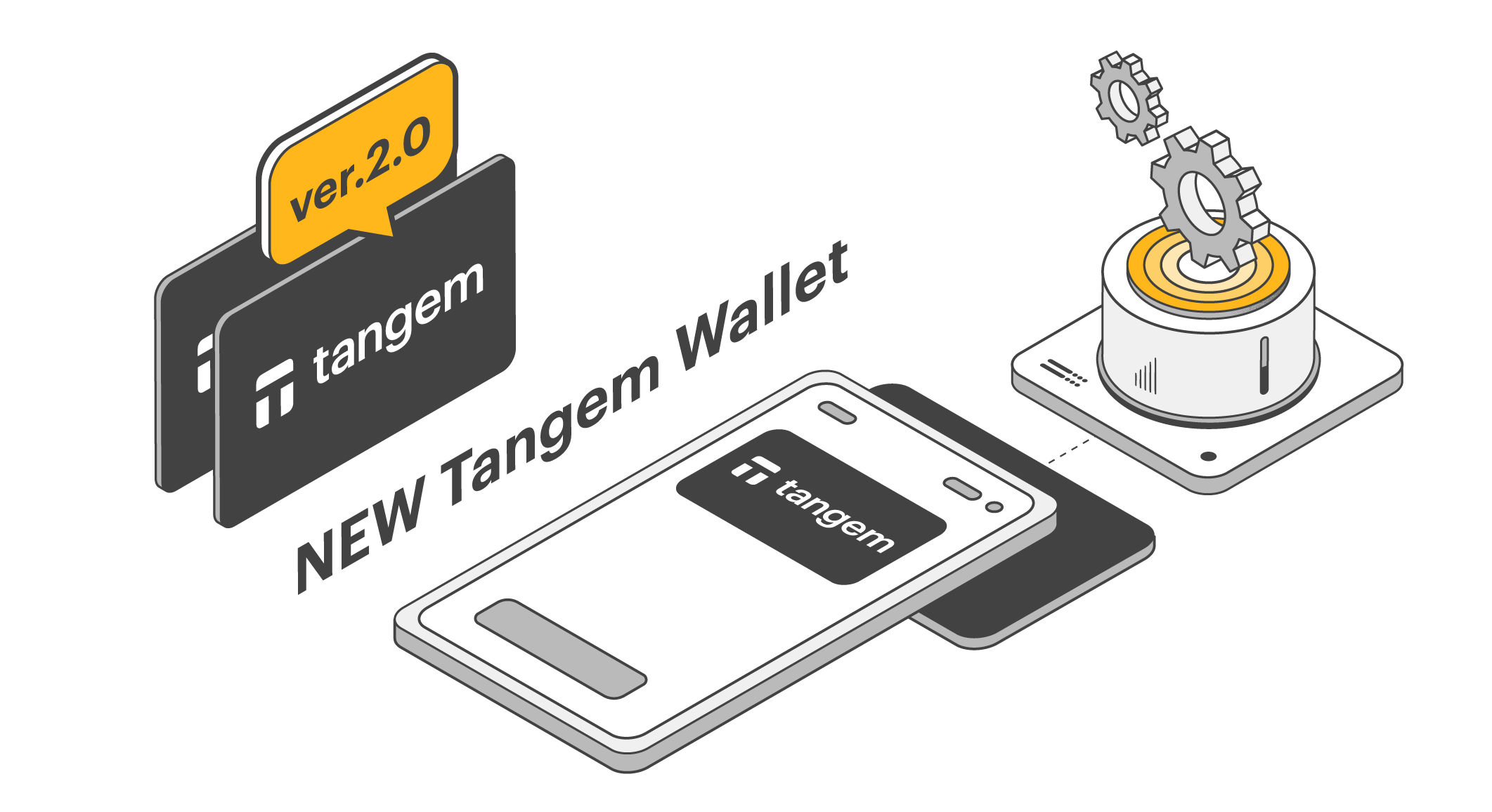
On the technical side, these cards rely on secure elements and NFC communication. Short sentence. They usually store private keys inside a chip that’s designed to resist extraction. Medium sentence: the phone communicates via NFC to request signatures, the card signs the transaction and returns the signature, and the phone broadcasts it. Longer sentence: because the private key never leaves the secure element and the interaction is confined to a short-range NFC handshake, the attack window is narrow, though not zero—sophisticated attackers can still attempt side-channel attacks or exploit implementation bugs.
I’m biased, but hardware that feels like a credit card is less likely to be lost or treated like somethin’ disposable. On one hand, you get a device that’s portable and discreet—great for daily peace of mind. On the other hand, if you don’t plan for backups or a recovery workflow, a single-card approach can be risky. Initially I thought single-card setups were fine, but then I realized that robust cold storage means thinking through redundancy, geographic separation, and the “what if” scenarios—fire, theft, forgetfulness.
Let me put it this way: a card-based NFC wallet reduces human error at the moment of use. Short sentence. It shortens the chain of interactions so users aren’t copying long seed phrases by hand in a noisy café. Medium sentence: that removes a huge class of mistakes—typos, screenshots, bad backups—and people are less likely to compromise keys by accident. Longer thought: however, it creates a new dependency pattern—if the backup or recovery method is weak, you get all the benefits of secure storage and then lose everything because of a single overlooked step.
How the Tangem App Fits Into This
The Tangem approach pairs the physical card with an app workflow that manages signing, verification, and some recovery features; it’s intuitive, and that matters. I’m not giving legal advice or a tech spec, but in my hands-on time the app felt clean and focused—good for both newcomers and more seasoned collectors. If you want to explore the idea further, see this resource: https://sites.google.com/cryptowalletextensionus.com/tangem-wallet/ —it lays out the basics and some practicalities.
Honestly, the user experience is the tipping point. Short sentence. If the app guides you through key setup, backup options, and transaction reviews with clarity, you’re more likely to avoid mistakes. Medium sentence: security is not just the hardware; it’s the combination of hardware, software, and human behavior. Longer sentence: so designers who obsess only about cryptographic purity while ignoring the way people actually behave—rushing, distracted, multi-tasking—miss the opportunity to create a truly resilient cold storage product.
One thing bugs me: marketing sometimes blurs “air-gapped” and “offline” in ways that confuse non-technical buyers. Short sentence. People assume tap-to-sign is the same as being fully air-gapped. Medium sentence: in reality it’s an excellent compromise, but you should know the attack models. Longer thought: for very high-value holdings, a layered approach—multiple hardware devices, geographically separated backups, and a tested recovery plan—still makes sense, and single-point solutions, however elegant, shouldn’t be the whole story.
(oh, and by the way…) If you’re storing substantial value, practice the recovery process. Seriously. Run through it. Verify backups. Yep, it’s boring, but it saves you from a nightmare that looks like “my wallet died and my backups are illegible.” My own checklist includes at least two independent backups, different mediums, and a dry run that I document somewhere secure.
When people ask me for quick advice, I give three practical rules. Short sentence. First: use a hardware-backed secure storage option that forces signing locally. Medium sentence: second: plan and test your recovery and backup methods before transferring significant funds. Third: consider threat models—are you protecting against casual theft, organized crime, nation-state actors, or accidental loss? Longer sentence: different adversaries require different mitigations, and once you pick a threat model, build your stack accordingly—cards like Tangem are an excellent building block, but they’re not a magic bullet.
FAQ
Is an NFC wallet as secure as a traditional hardware wallet?
Short answer: mostly yes for many users. Medium explanation: both rely on secure elements and local signing, but implementation matters—a poorly designed card or app undermines that. Longer context: compare device certifications, peer reviews, and the transparency of the firmware and app; consider whether you need multisig or additional layers for very high value holdings.
What are practical backups for a card-based wallet?
Use multiple recovery methods. Short sentence. A typical route is a certified backup card, a paper-shared secret using Shamir or another split, and an off-site encrypted backup of non-seed metadata. Medium sentence: test the recovery at least once and document every step so that a trusted person could follow it without guessing. Longer nuance: redundancy is great, but it mustn’t introduce new centralized risks—avoid storing everything with a single third-party custodian unless that’s a conscious trade-off you accept.
Can NFC wallets be compromised via the phone?
Yes and no. Short sentence. The secure element is designed so that the phone never sees the private key. Medium sentence: yet, malware on the phone could trick you into signing malicious transactions if you approve them without reading. Longer take: always verify transaction details on both the phone and the card (when possible), and keep your mobile OS updated; treat your phone like an extension of your security posture.
To wrap up—well, not to wrap up exactly, because I still have questions—card-based NFC wallets are a practical, user-friendly form of cold storage when implemented well. Short sentence. They trade some theoretical purity for real-world usability, which often ends up being the smarter security move. Medium sentence: my final gut read is that for many Americans who want secure, portable, and easy-to-use cold storage, these cards hit the right balance. Longer thought: just remember to plan for backups, test your recovery, and don’t treat any single device as invincible—redundancy and rehearsal are the quiet heroes of long-term crypto safety.