Whoa!
I was staring at three tabbed wallets, a half-dozen dApp popups, and a gas fee estimator that lied to me twice in a row. My instinct said: this is broken. But actually, wait—let me rephrase that: it felt broken because the tools around DeFi assume you think like a protocol designer, not like a human managing money. On one hand the tech is dazzling; on the other, the UX often sabotages even experienced users, and that tension keeps tripping me up when I move assets across chains.
Seriously? Yes. And here’s the thing. I’ve been building and testing in crypto for years, and somethin’ about onboarding users makes me scratch my head—especially when gas, approvals, and cross-chain muddiness combine into an anxiety cocktail that ruins otherwise clever DeFi flows.
Quick confession: I once nearly closed a profitable trade because a wallet UI hid a dangerous approval under an innocent “Authorize” button. Hmm… that moment stuck with me. Initially I thought smarter alerts and better prompts would be enough, but then I realized the whole flow needed rethinking—transaction simulation, clearer origin data, and native support for multi-chain patterns that many wallets just bolt on as an afterthought.
On to the meat—what actually matters when you pick a wallet for DeFi and multi-chain use, and why integration with dApps should feel seamless rather than fragile. I’ll be blunt: wallets that treat chains like separate islands are doing users a disservice. You need a wallet that anticipates where bridges fail, where approvals snowball, and where UI can either prevent or enable costly mistakes.
First, simulation. Wow. A simulated transaction preview isn’t a nicety anymore; it’s essential. Medium-length guidance like gas estimation is fine, but simulation gives you a deterministic look at the on-chain result before you sign, which cuts surprise losses and prevents accidental approvals. Developers build it into advanced tooling, but many consumer wallets skim on this, and that gap is both a UX hole and a security vector.
Now, about approvals: this part bugs me. Too many wallets let blanket approvals slide past with a single click, and users rarely audit allowance changes. On the whole this is a solvable problem but requires both education and UI that makes allowance revocation painless. I’m biased, but when a wallet gives you clear allowance granularity and one-click revokes, you sleep better at night—literally.
Multi-chain capability deserves practical thought, not marketing copy. Some wallets pretend “multi-chain” by listing networks; others actually manage account addresses, nonce handling, and cross-chain transaction contexts in a unified way, which matters when you route trades through bridges or when routers split transactions across chains. There’s a gulf between “supports many chains” and “understands multi-chain flows,” and that gulf is where money gets lost.
Integration with dApps is another layer. Users expect that clicking “Connect” won’t open a dozen cryptic modals, and they certainly don’t want to reauthorize the same permission for every small action. dApps need to respect wallets’ security posture, and wallets need richer metadata from dApps to show meaningful, human-readable transaction descriptors rather than raw contract addresses and hex data. Something felt off about how many approvals read like code—because they are, to users who don’t speak EVM.
On a practical level, look for three features that together raise the bar: transaction simulation, per-site approval management, and built-in cross-chain awareness. These sound simple, but combining them well is hard—there are edge cases, gas estimation quirks, and UX trade-offs that only real-world usage will reveal. My instinct told me to benchmark wallets on these criteria, and after testing a handful, the difference was night and day.
Okay, so check this out—my favorite pattern is a wallet that simulates a swap, then warns if any approval would give infinite allowance, and finally shows how a routed cross-chain swap maps to on-chain calls, with expected slippage and gas shown in the user’s native currency. That flow prevents dumb mistakes and makes complex transactions comprehensible.
Security isn’t just about cold storage. Whoa—hear me out. Consumer wallets that prioritize UX sometimes introduce hidden risks: background connectivity, over-permissive browser extensions, or poor isolation between sites can be exploited. So yes, the architecture matters: hardening the extension, minimizing background privileges, and offering transaction simulation locally rather than via remote services all reduce attack surface. I’m not 100% sure who thought remote signing was a good default for everything, but for many users local simulation is safer.
Let me give a quick example. I once used a wallet that attempted to auto-approve a token swap by bundling an approval call, a transfer call, and a refund call into a single “smart” transaction, which seemed convenient—until gas spiked mid-execution and the refund failed. On paper it saved clicks; in practice it increased risk. So I’m cautious about “one-click everything” unless the wallet transparently shows the underlying calls and fallbacks. That transparency matters more than flashy UX.
Interoperability with dApps also needs standards. There are good efforts (EIP-ish conversations) but adoption is patchy. dApps should surface intent: “This swap will route through X and wrap tokens into Y”—not just “call approve.” Wallets that push projects to provide richer intent metadata end up making the ecosystem safer, and frankly that’s an underrated role for custodian-free wallets. Developers can and should do better; wallets can nudge them to be explicit.
What’s the user takeaway? Pick a wallet that: simulates, isolates, and surfaces intent, while giving you easy controls over approvals and cross-chain actions. And if you ever doubt the wallet’s prompts—stop. Log out. Re-evaluate. My gut says most errors happen in the first 30 seconds of a hurried transaction, when cognitive load is highest.
How a Modern Wallet Actually Helps You Trade Safer
Alright—practical picks. If you want to minimize risk while staying efficient, look for wallets that treat approvals like consumables, that simulate transactions locally, and that provide a native experience for multi-chain routing rather than shoving everything into a single confusing modal. I’m biased toward wallets that take developer feedback and iterate quickly, because DeFi moves fast and wallets need to keep up without breaking things often.
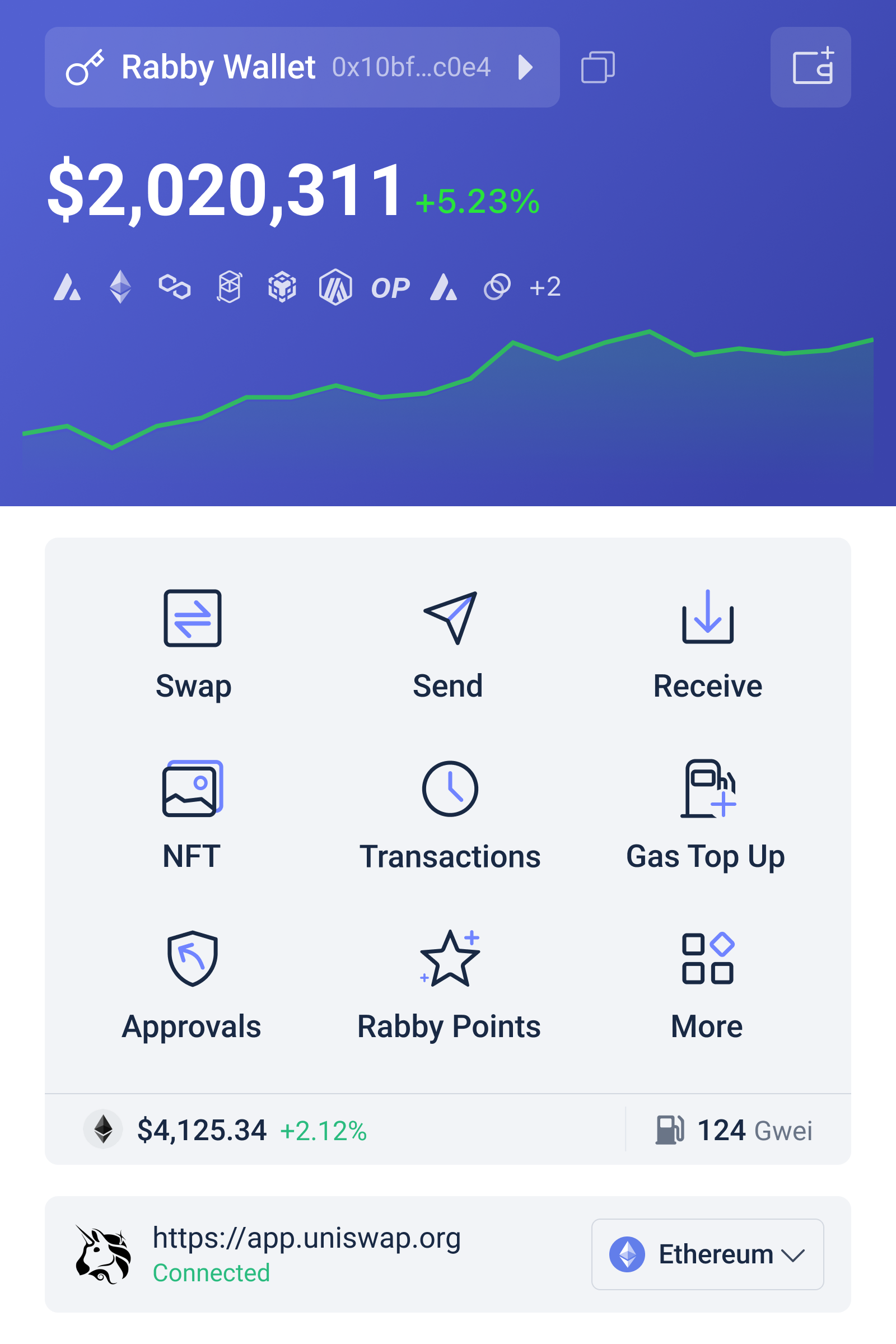
One wallet that blends these ideas into a cohesive user experience is rabby wallet. It centralizes allowance management, offers transaction simulation to preview outcomes, and supports multi-chain dApp flows without treating each network as a separate silo. That combination reduces user mistakes, which is exactly what busy DeFi users need—clear signals, not noise.
Don’t just take my word for it though. Test with small amounts first, use simulation on complex transactions, and check the raw call details if something feels off. On one hand these steps are tedious; on the other, they prevent catastrophic losses. I prefer that small friction—call me old-school—but I also appreciate wallets that remove unnecessary friction while keeping safety front and center.
Now, a few red flags to avoid. If a wallet routinely asks for blanket approvals, doesn’t show simulated outcomes, or hides the origin chain of a transaction, steer clear. Also be wary of extensions that maintain persistent background connections to unknown domains—those increase exposure without delivering value. Oh, and by the way… if a wallet’s UI looks like it was copied from a marketing deck rather than built around user flows, that’s often a sign they focused on growth over product-market fit.
Finally, remember: no tool is perfect. On one hand you can’t vet every contract; though actually you can reduce risk tremendously through habits and the right tooling. Keep allowances tight, prefer wallets that show you how transactions break down, and be skeptical of “auto-optimize” features that don’t explain their trade-offs. My experience says those practices save money and sleep.
FAQ
How does transaction simulation protect me?
Simulation shows the likely on-chain result before you sign, revealing reverts, expected token amounts, and intermediate calls that could change balances; this prevents surprises like failed refills, stealth slippage, or stuck approval flows.
Can a wallet really manage multi-chain complexity?
Yes—if it treats chains as coordinated contexts, not independent checkboxes. The wallet should map where an asset lives, how bridges will route it, and what contracts will be called on each chain, and then show that mapping clearly to the user.
What’s the single most important setting to change?
Disable blanket/infinite approvals where possible and enable detailed transaction previews; also use per-site approval lists and revoke allowances you no longer need—it’s simple and very effective.